
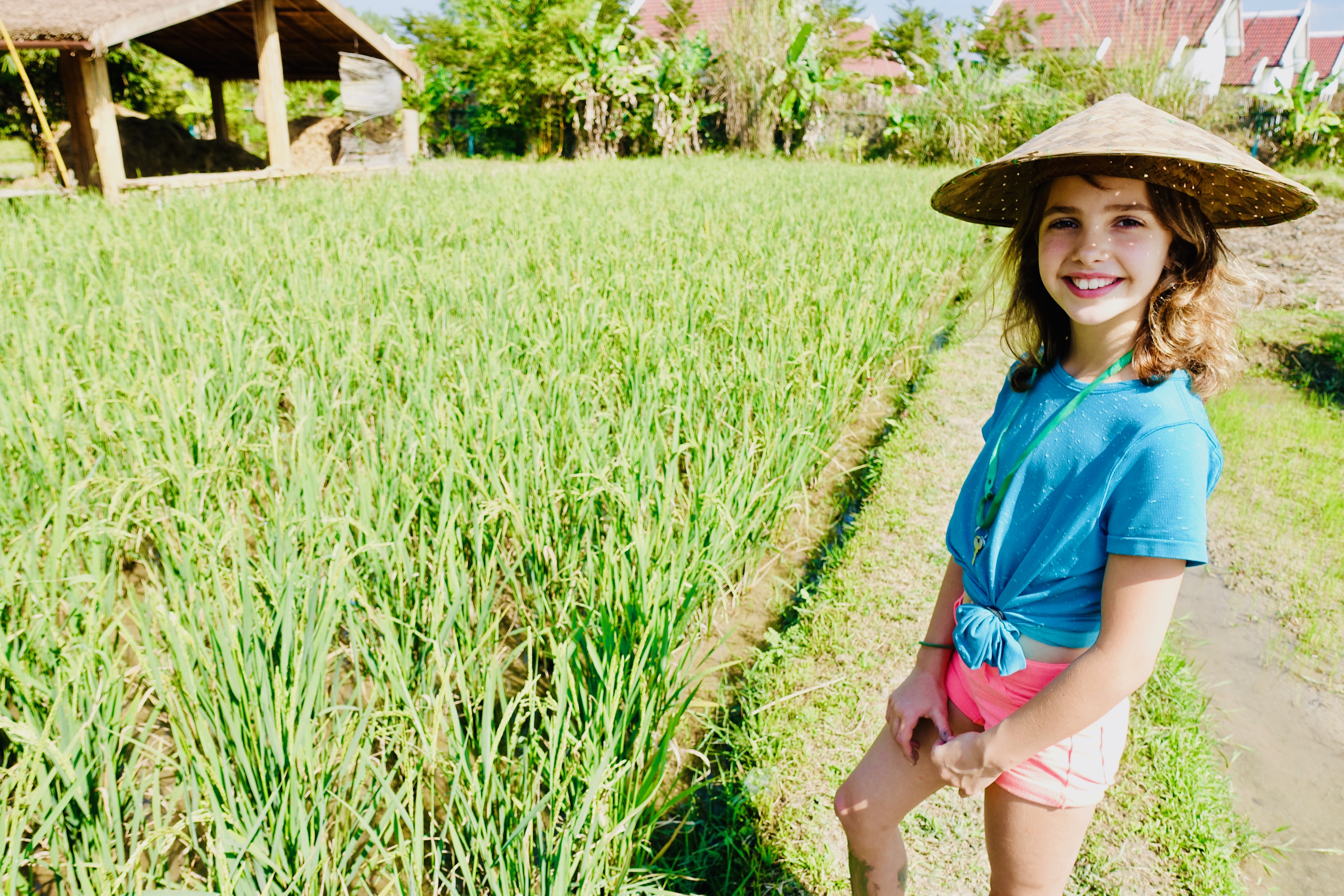
Lily – Age 8. We did a lot of fun things in Northern Laos. I think my favourite was when we went to a farm and learned all the steps to growing rice. We even got to work on the farm and do the steps. Before you can eat the rice there are 13 steps you have to do.
The first step is you get a jar of water and put salt in it. To know how much salt to add, you put an egg in the water, when the egg is just barely floating you have the right amount . You take the egg out and put all of the rice for planting in the water and swirl it around. If the rice grains float it means the husk are empty or do not have a full seed in it. Those are scooped off and fed to the chickens. The ripe grains that sink in the water are good.
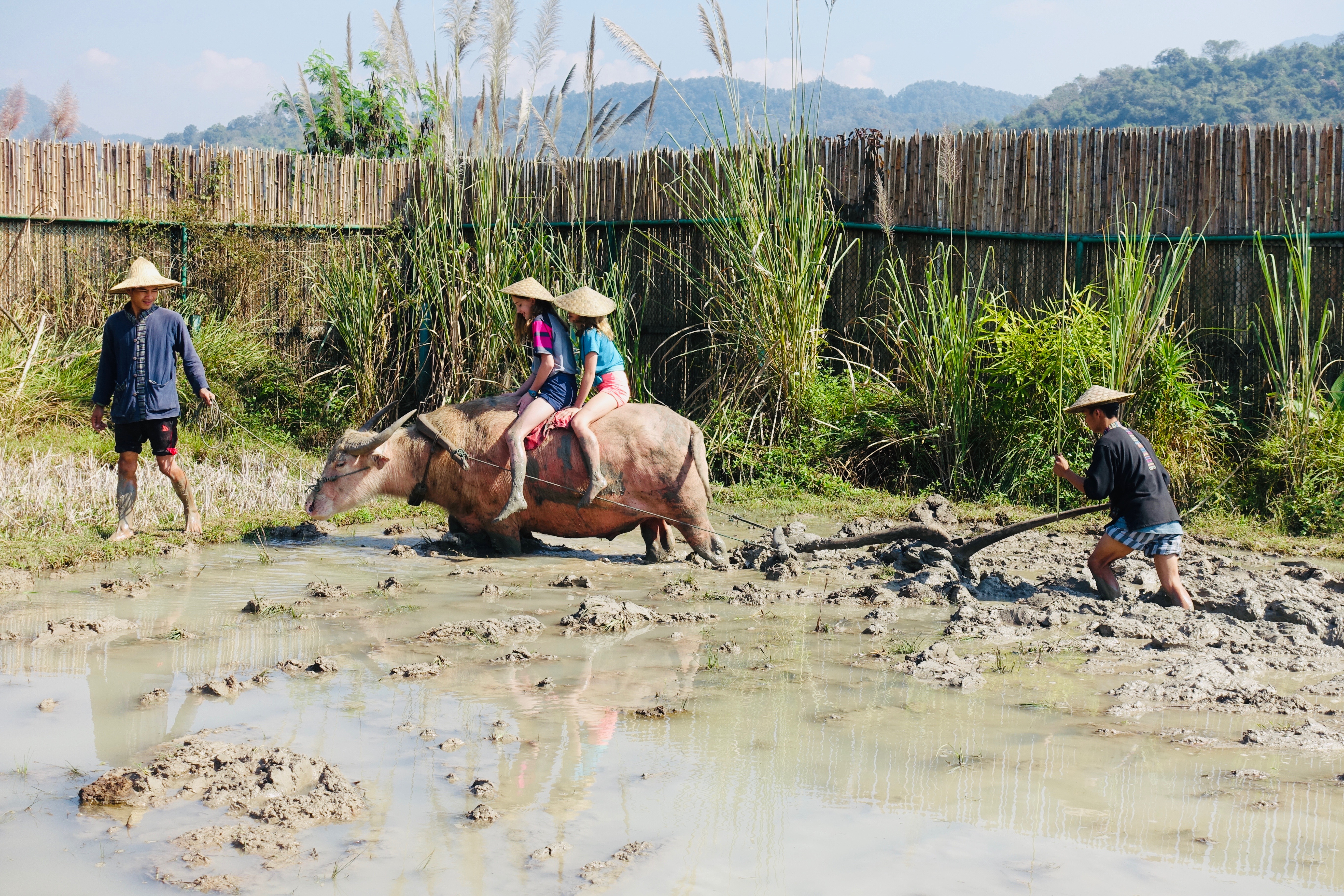
After that we got a small patch of mud ready and sprinkled all of the rice seeds on it. They will need to grow there for a couple of weeks. The next step is to plow the muddy field. The mud is deep and sticky and so we used a water buffalo named Rudolf. Rudolf had pink skin, and I got to ride him. Poor Rudolf, it was a bumpy ride! It is hard work pulling the plow so Rudolf only works 4 hours day. It takes many days to plow a field to feed a family as big as ours.
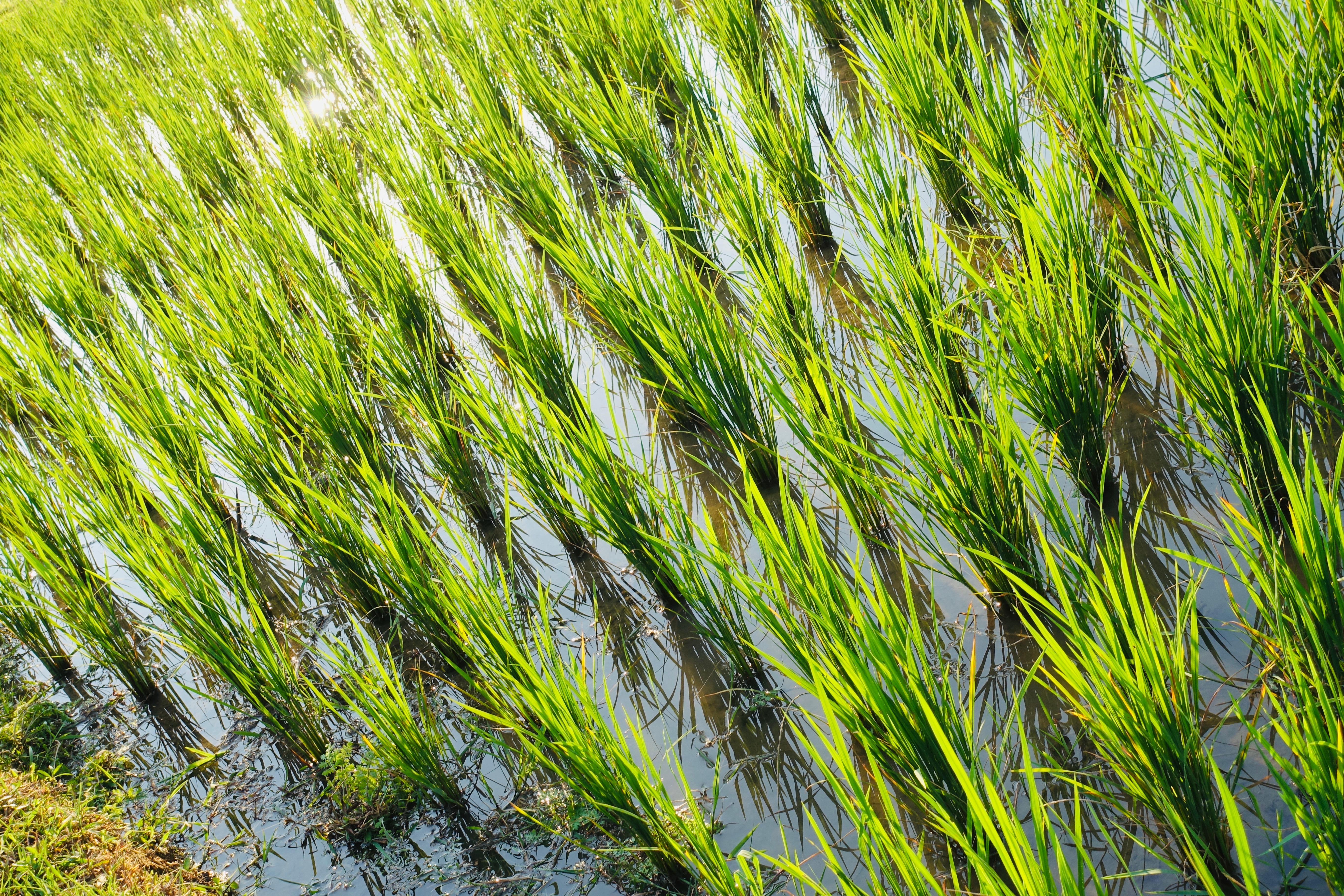
Once the land has been plowed, and the seeds that you planted grow into shoots, you replant them in the plowed field. They need to be spaced just right so the plants can grow big. We planted part of a field. They told us after there are lots of eels in the mud, and they sometimes bite. Yuck! I’m glad they told us after we were done. Each single rice planted will grow 200-300 grains on it! From one little seed!
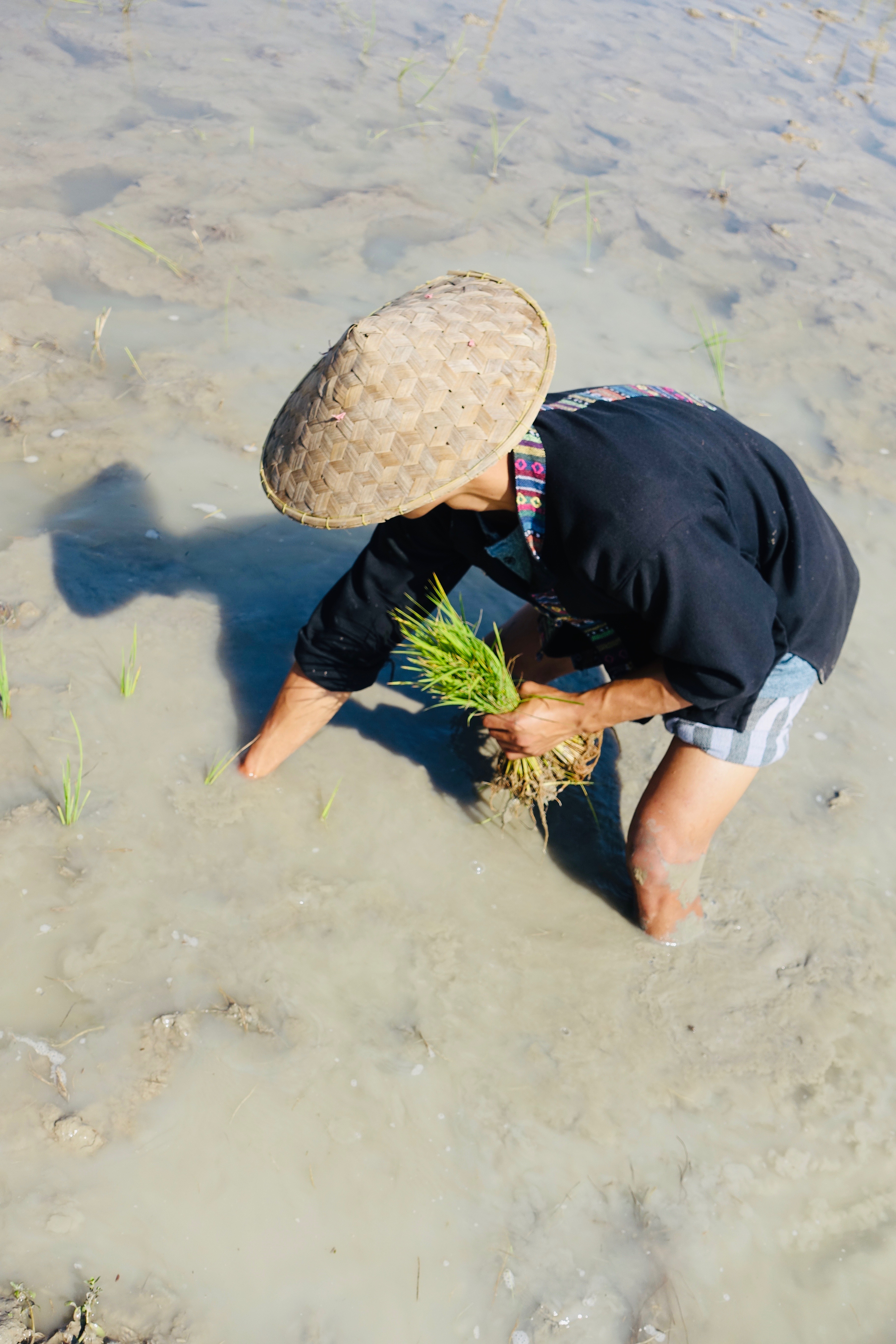
Planting rice 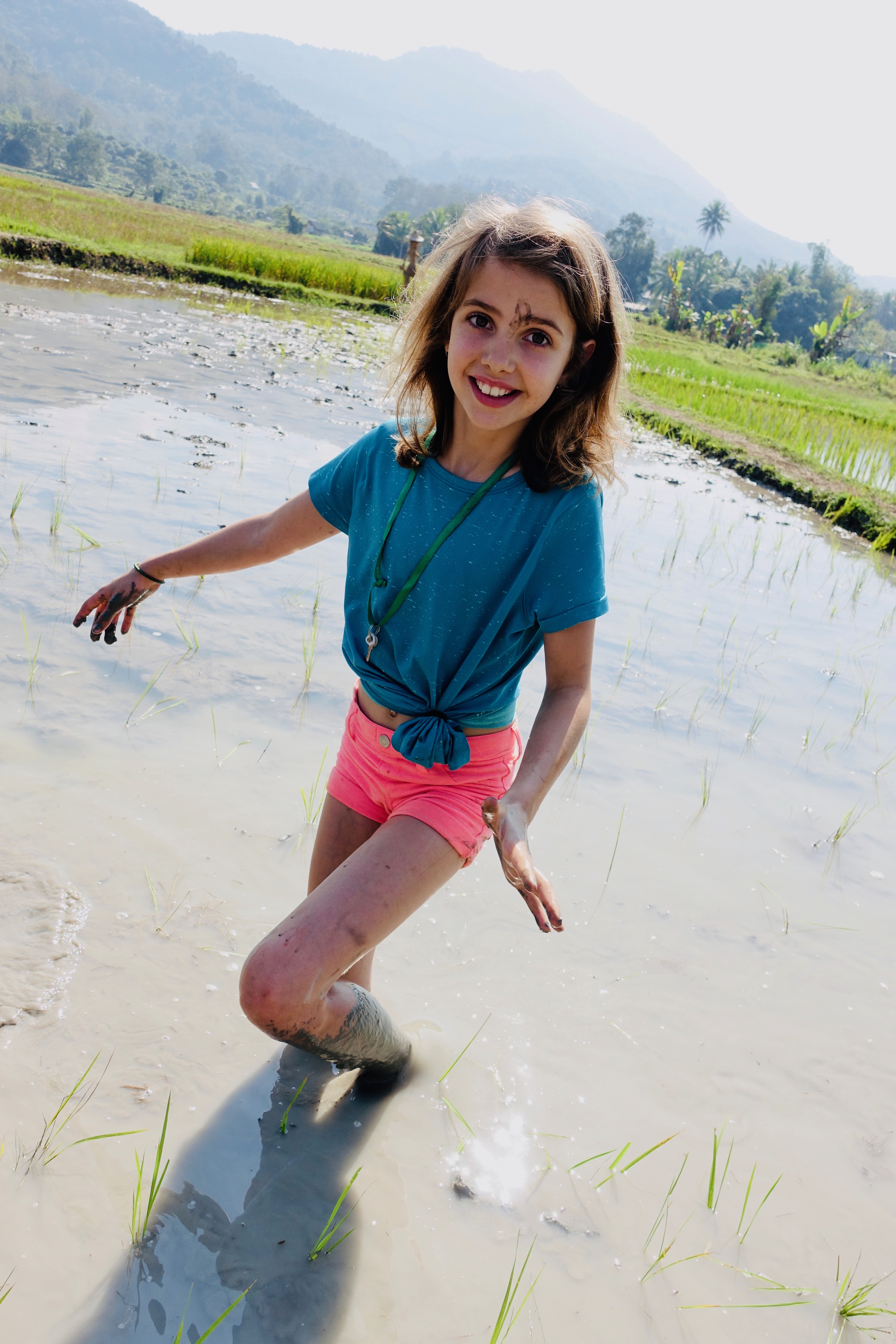
The mud is deep!
After that the next step is to flood the fields with water for ten days, then drain the fields for ten days. You keep doing this for a few months till the plant grows big.
Next you cut the plants down and dry them in the sun. Then you take the plants and hit them against some wood to knock all the seeds off. Then we used a wooden fan to blow away the sticks and stuff from the rice.
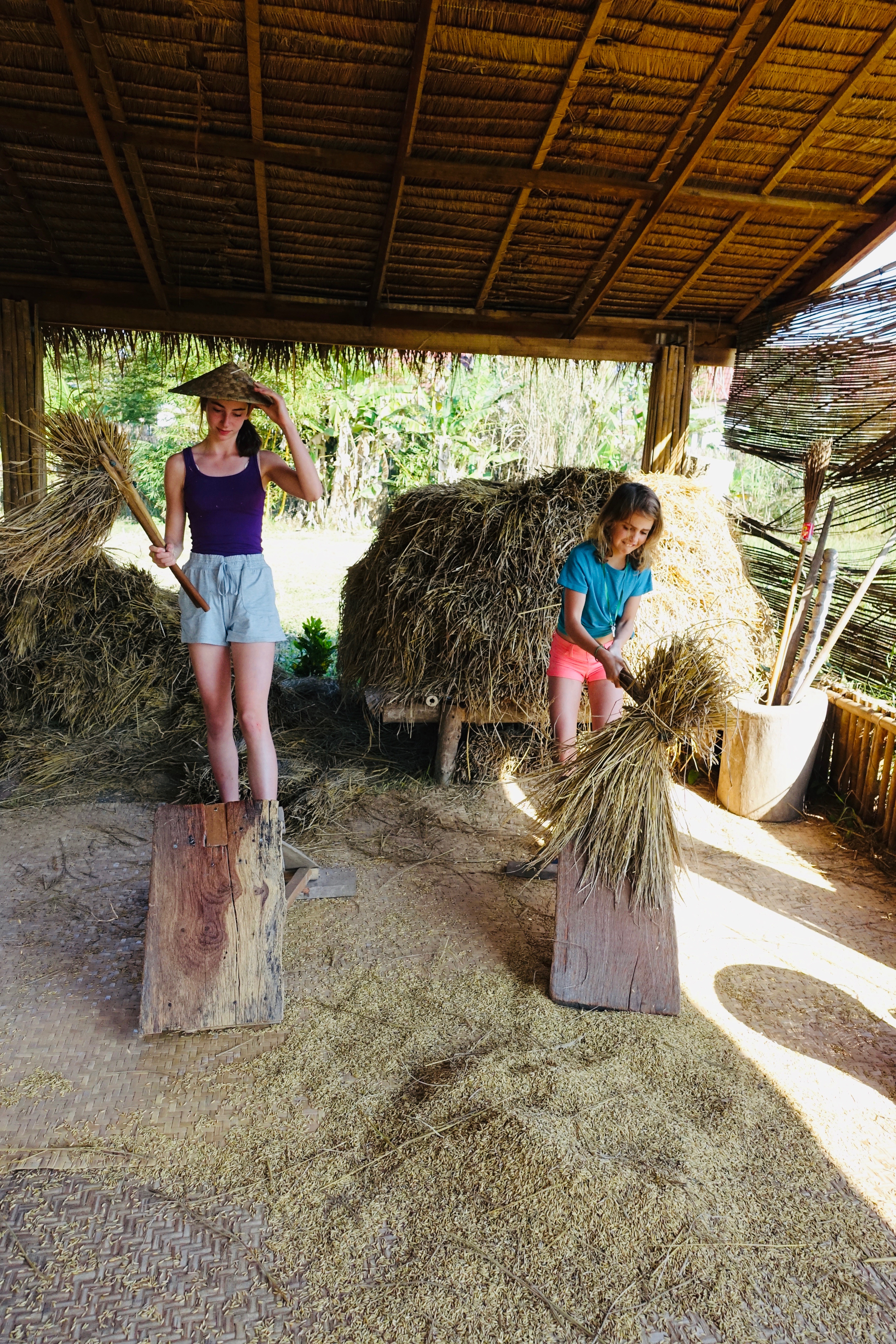
Threshing the rice. 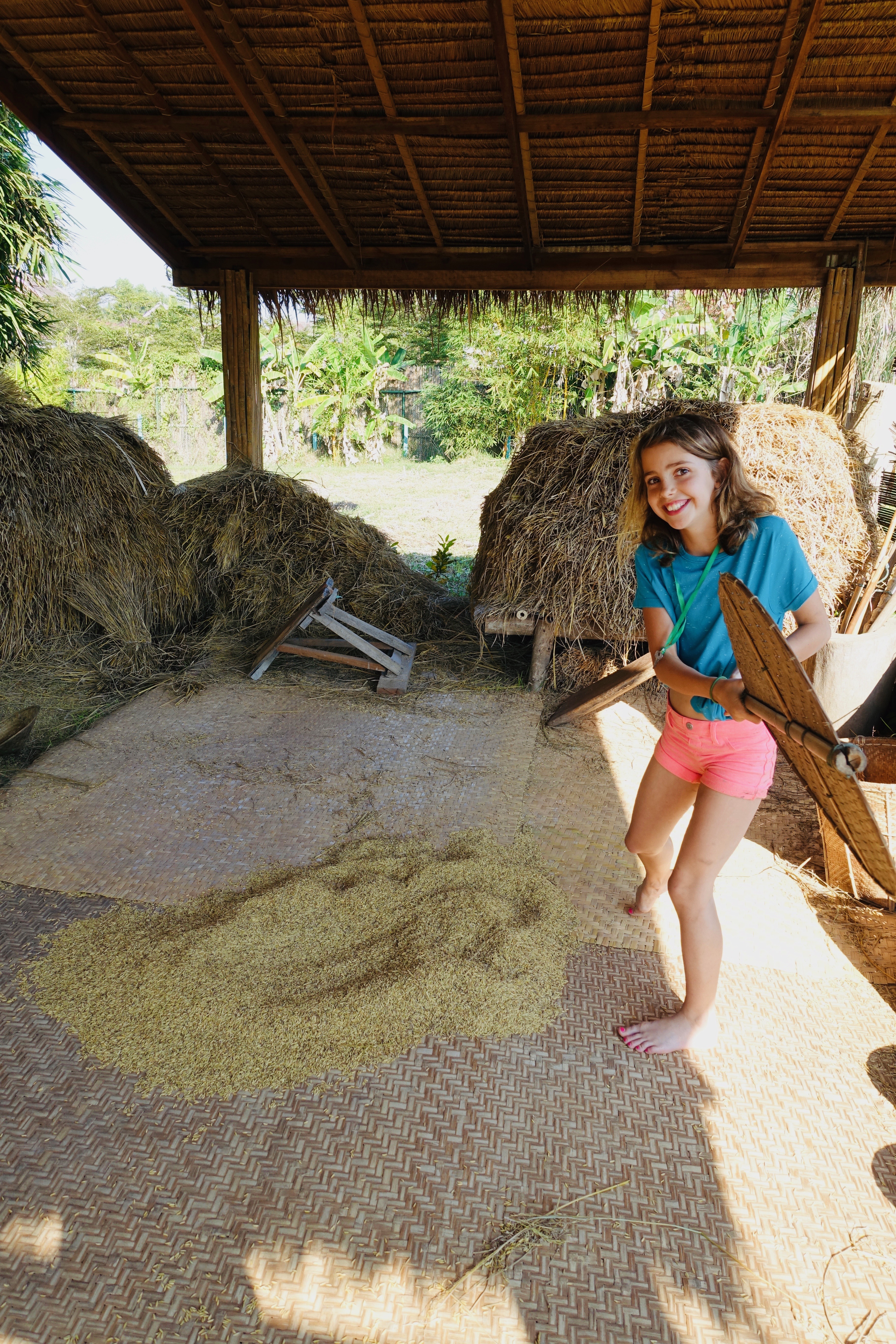
Separating the rice from the chaff.
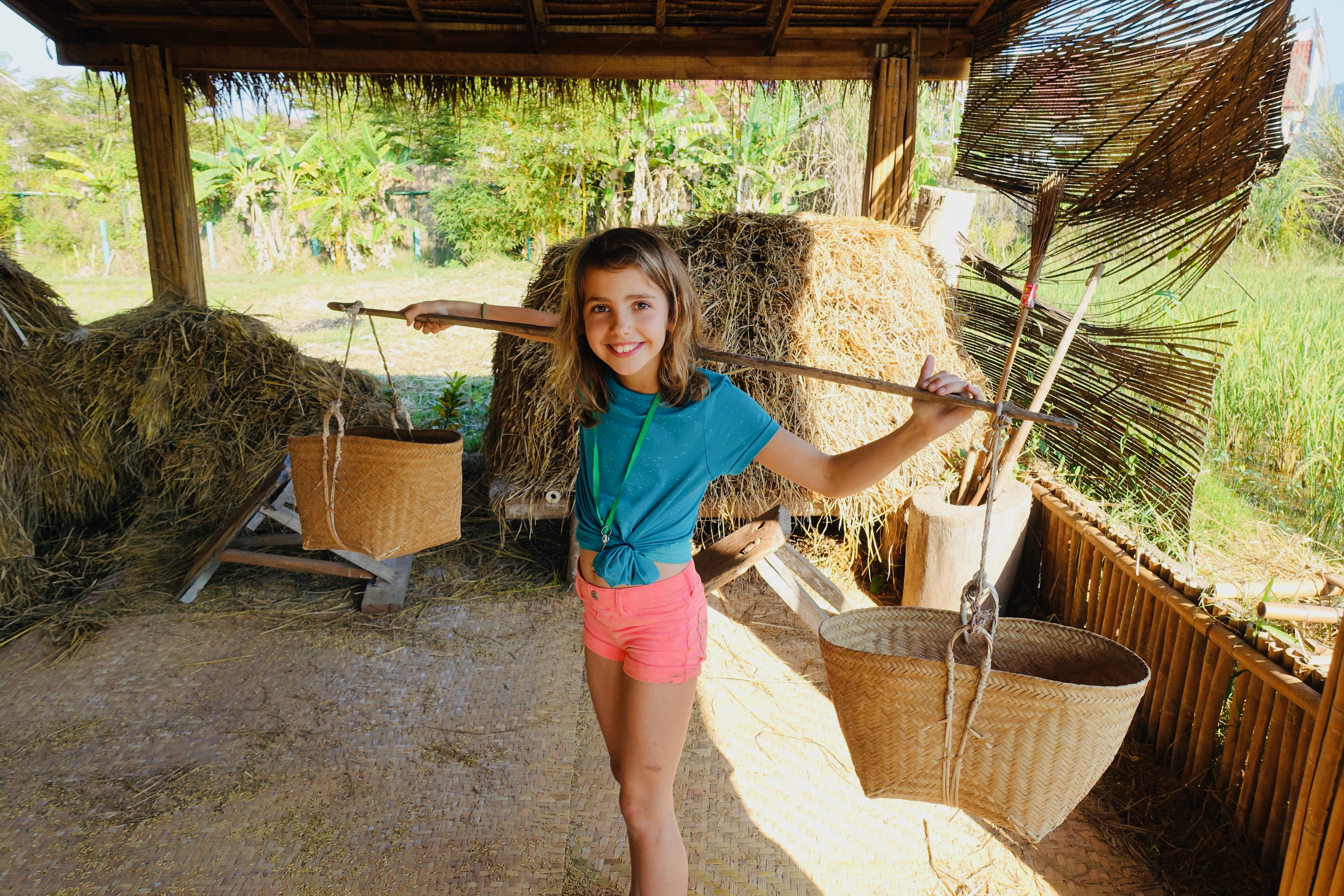
The rice is then soaked for at least three hours and then steamed to eat. People in Laos eat sticky rice with every meal, every day of the year. They work hard to have rice.
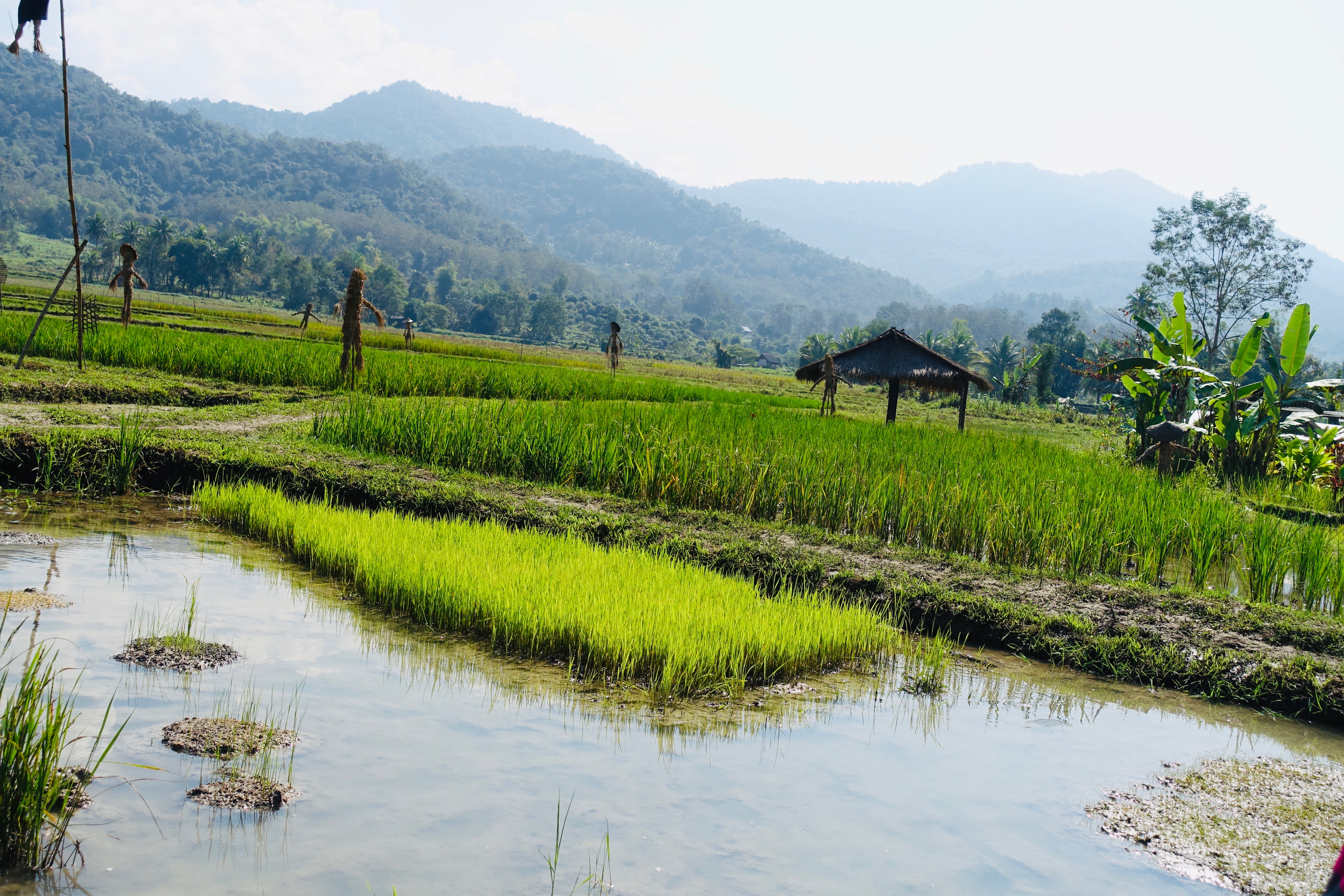
Sarah Age 11- The jungle is thick with lush trees. Bananas hang wild, waiting for their time to fall. Bamboo grows in every direction trying to get up above the other trees. Dead ones lay in a tangled mess everywhere. Colourful fungi grow on mysterious looking plants, bugs creep around and leeches wait for an unsuspecting leg to pass by. This was the wilderness we decided to trek into.
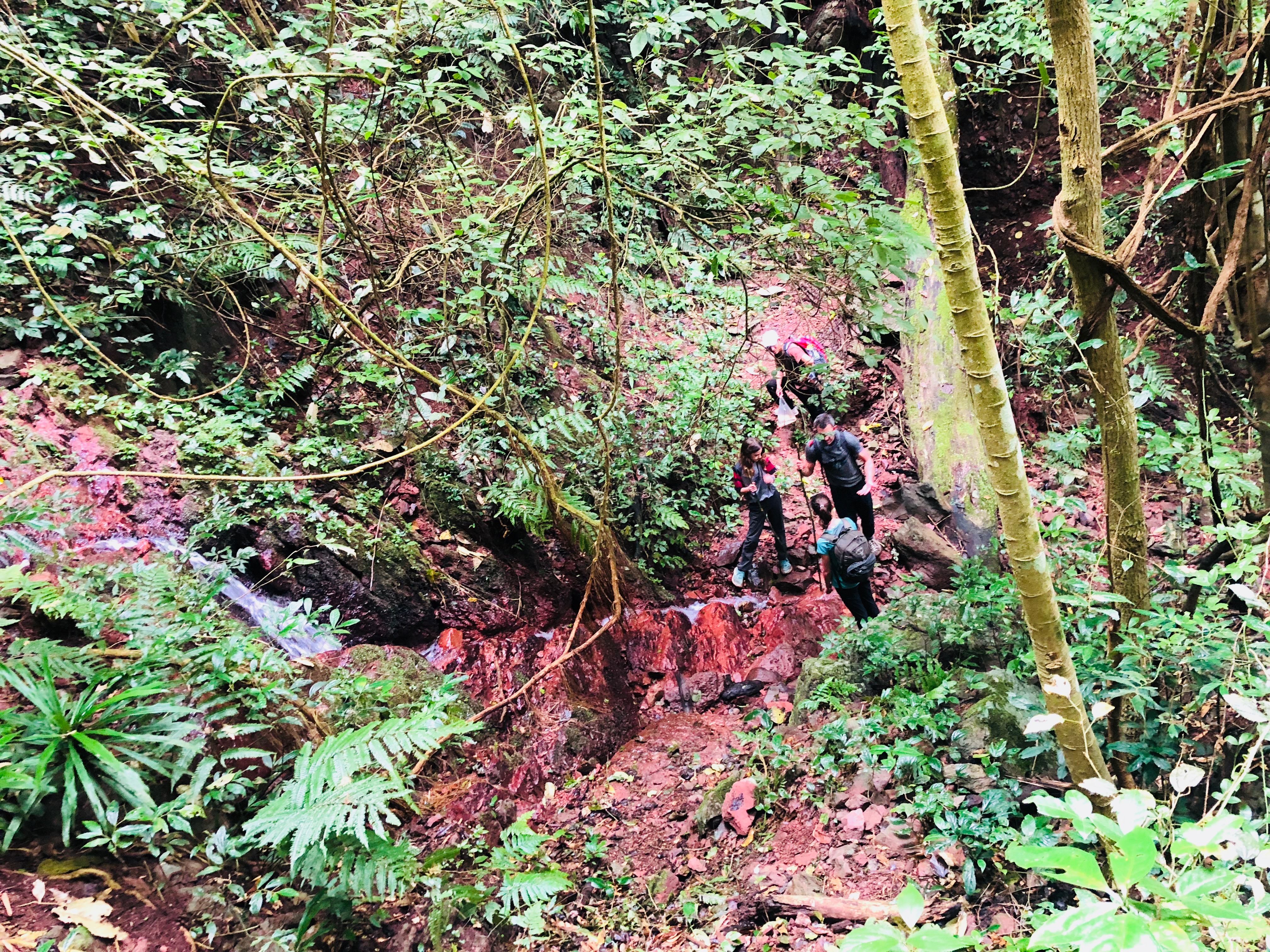
As we worked our way through the lush jungle slowly getting deeper in, we discovered many remarkable things the jungle has within it. Like leaves that taste just like lemon, or how if you cut open the long green bamboo it has perfectly clean water inside of it good for drinking (which we did). We worked our way up a slippery muddy steep trail, using our bamboo walking sticks and helping each other get higher and higher on the mountain. A slip left you covered in mud.
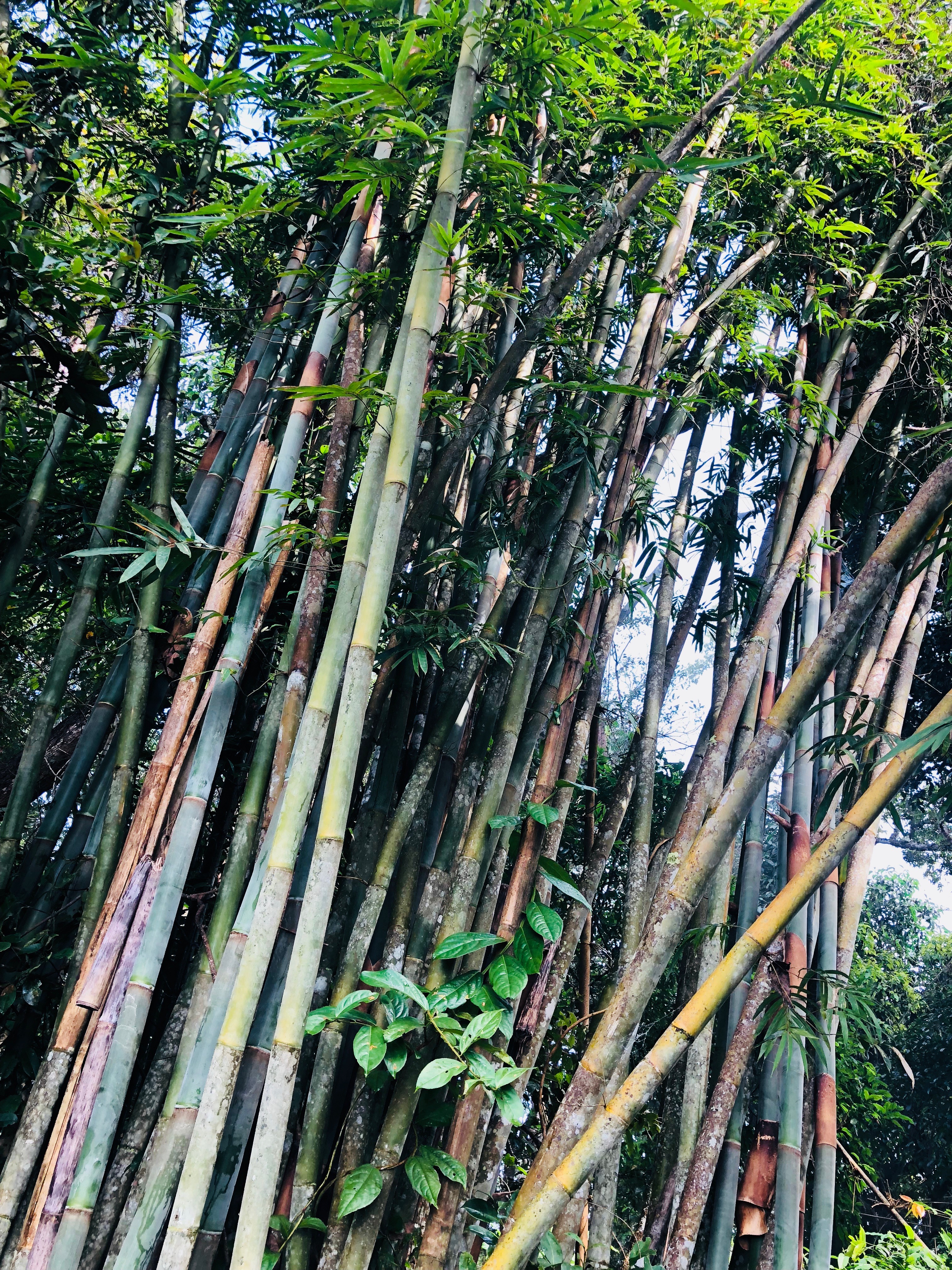
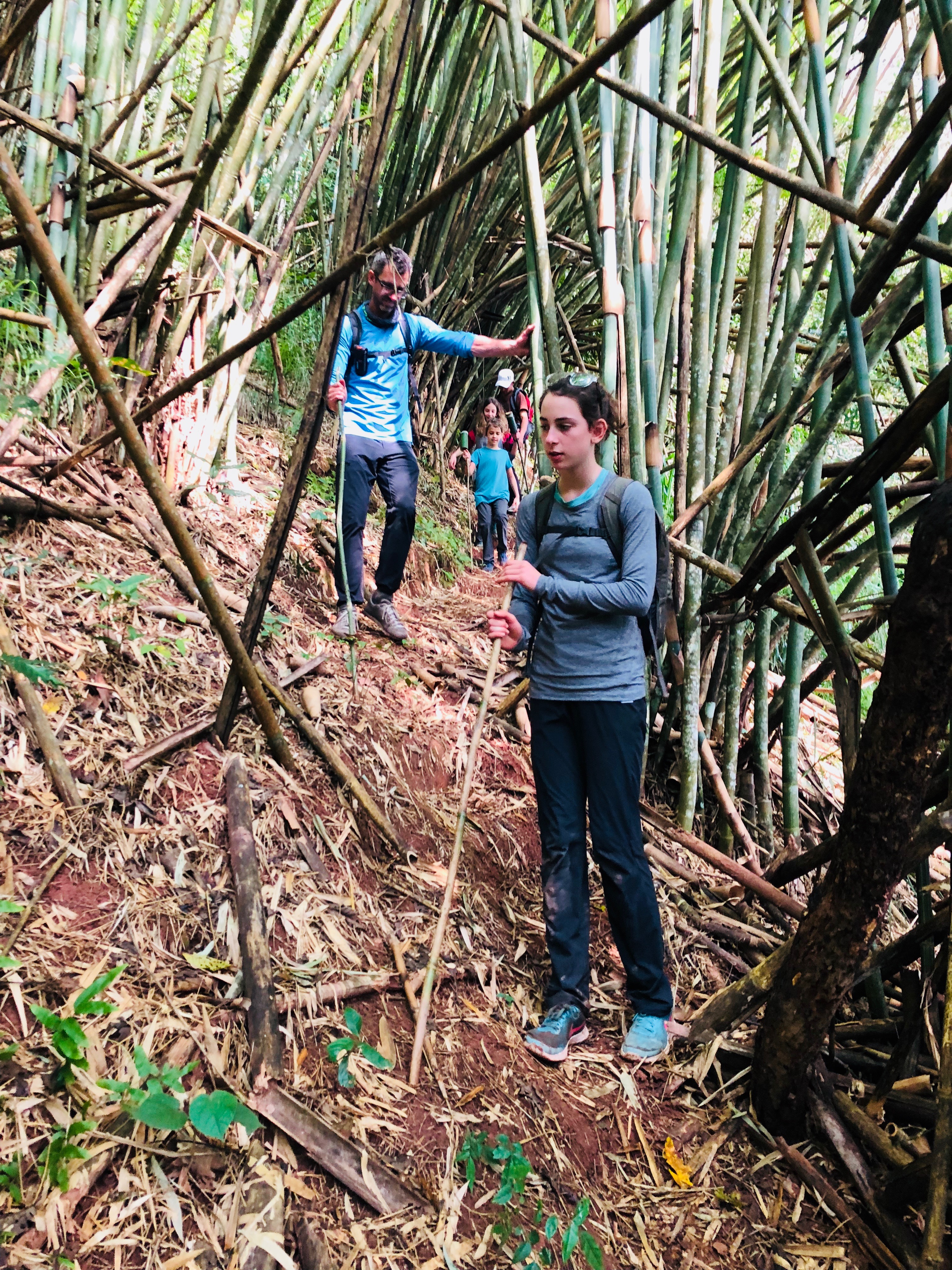
Impossible to get through bamboo without a machete
Gong and La were the names of our helpful guides. As we walked my knees were shaking, afraid that hanging just over my head, or laying just off the trail was some terrible deadly snake! The guides told us to tap your hiking stick on the ground, the snakes feel the vibrations and move away. Maybe it worked cause we didn’t see any!
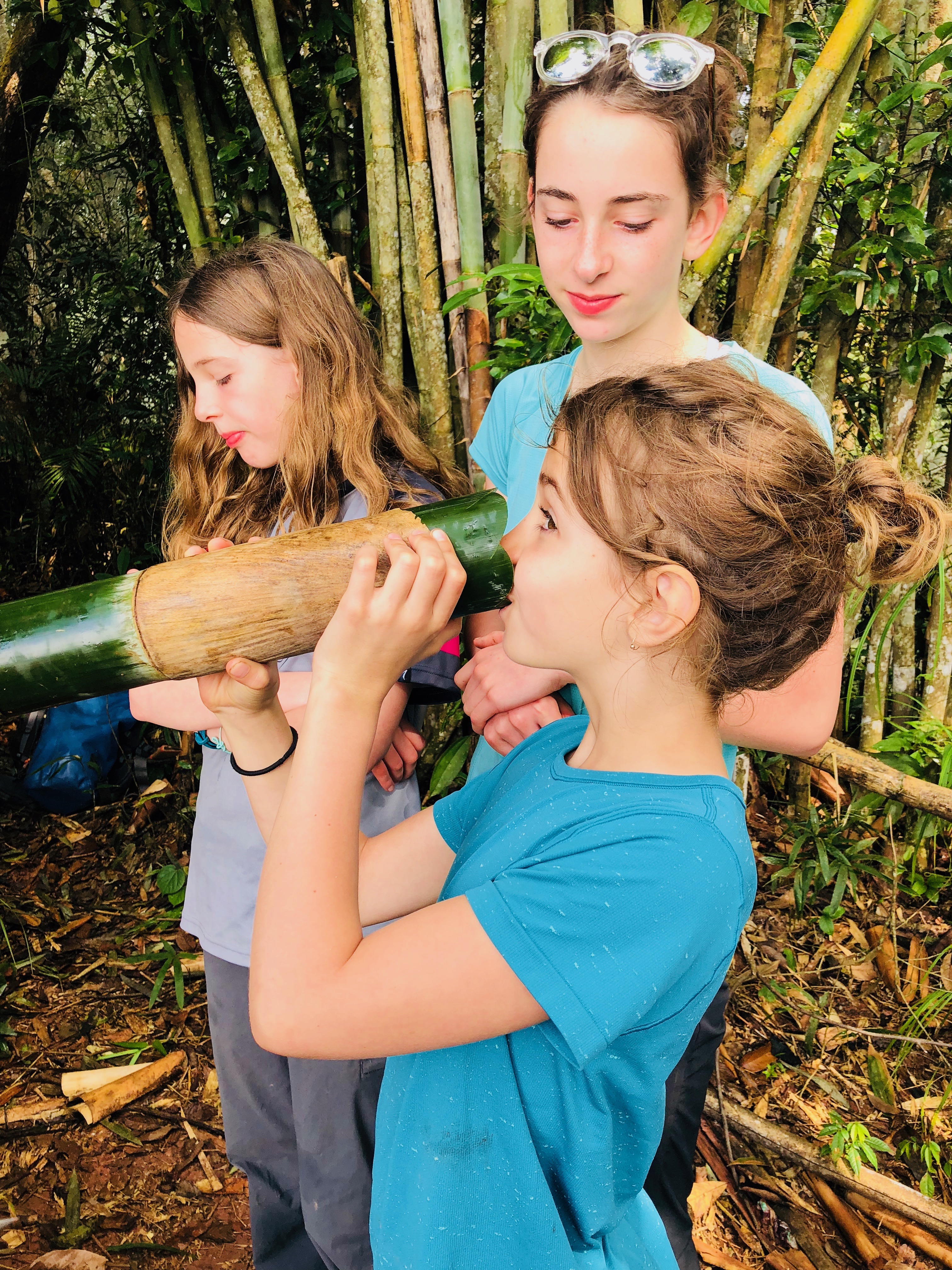
After 5 kms of climbing and what felt like many hours, we arrived at the top of the hill. We could look down into the valley full of fog, and we watched it disappear as the sun got hotter, revealing the beautiful scenery below. As we had hiked our guides collected many plants and herbs from the jungle, like ginger, cardamom, mint, wild onion, palm hearts, and mushrooms which they used to make us a jungle soup. They cooked it in a green bamboo shoot they cut down and filled with water and the ingredients. The guides also brought sticky rice, dried chicken, omelettes and this amazing peanut sauce which was totally on point. The guides laid out banana leaves and spit open more bamboo shoots which they poured the soup on. It was delicious. We all loved it.
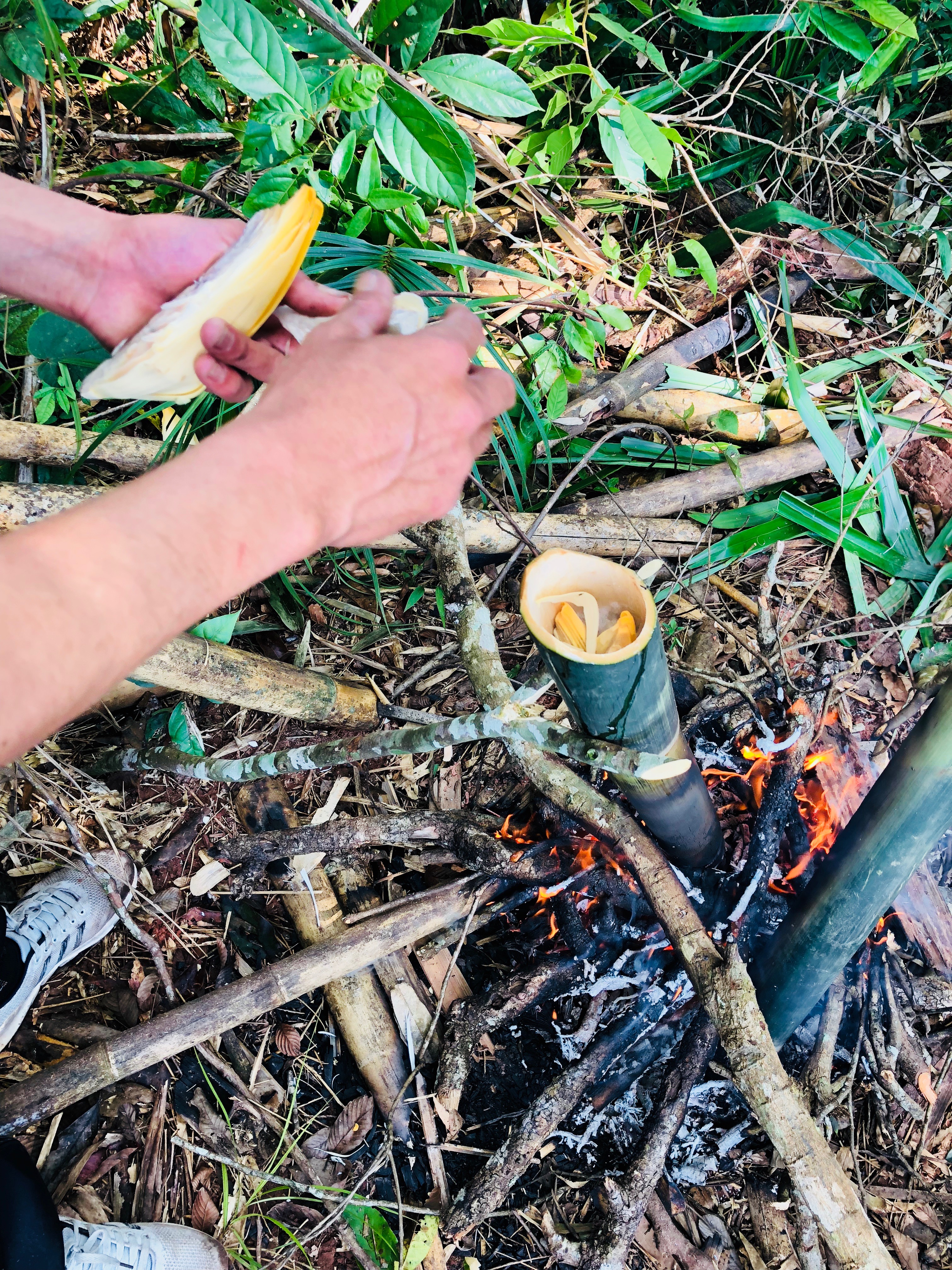
Jungle soup simmering in the bamboo pot 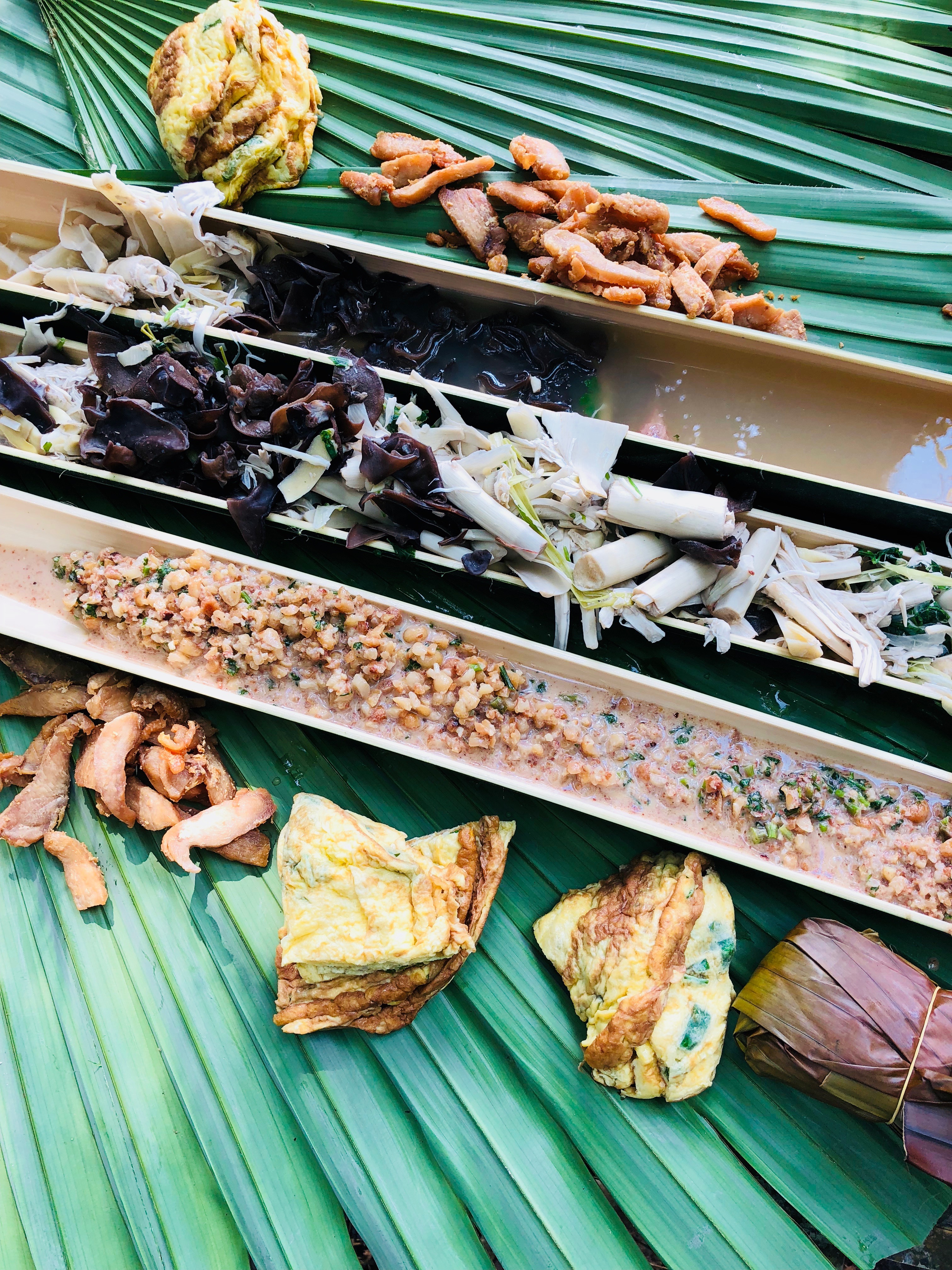
Our jungle feast
With our tummies full we enjoyed the view of the beautiful mountains we could see off in the distance, then we headed back down. We stopped to check my sisters sore foot and found that she had two bloody leeches on her that got into her socks! We all checked our feet and my mom had one on her too. After we got back to the valley floor my sisters and I went for a refreshing swim in the river to wash the jungle mud off of us. That was a good day.
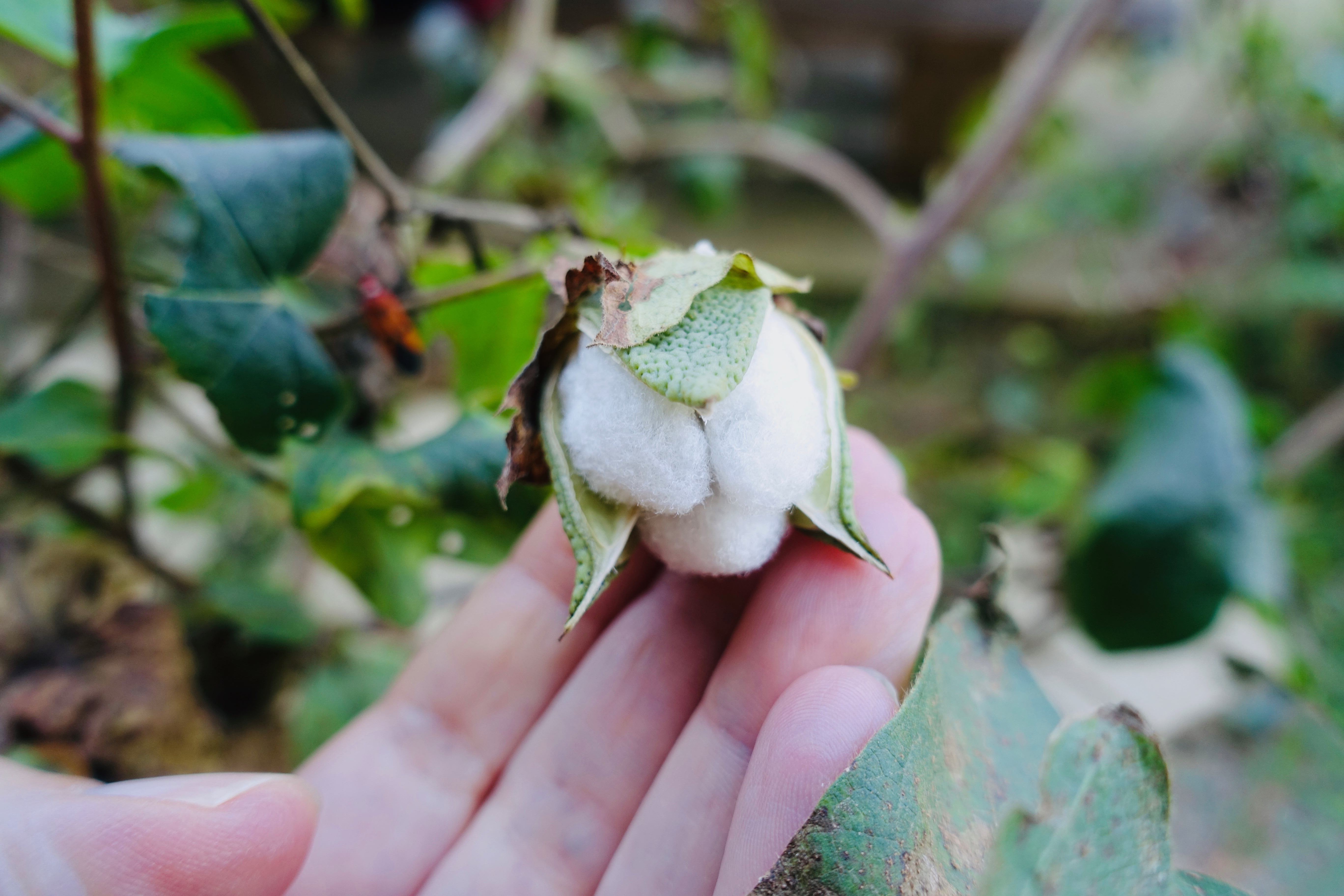
Rachael Age 13- Women all around Laos (and Asia) have a common job- weaving. They spend long hours each day making clothes by throwing a wooden “boat’ back and forth through a blanket of handmade thread. Sarah, Lily, my Mom and I took a course to learn how to weave like them.
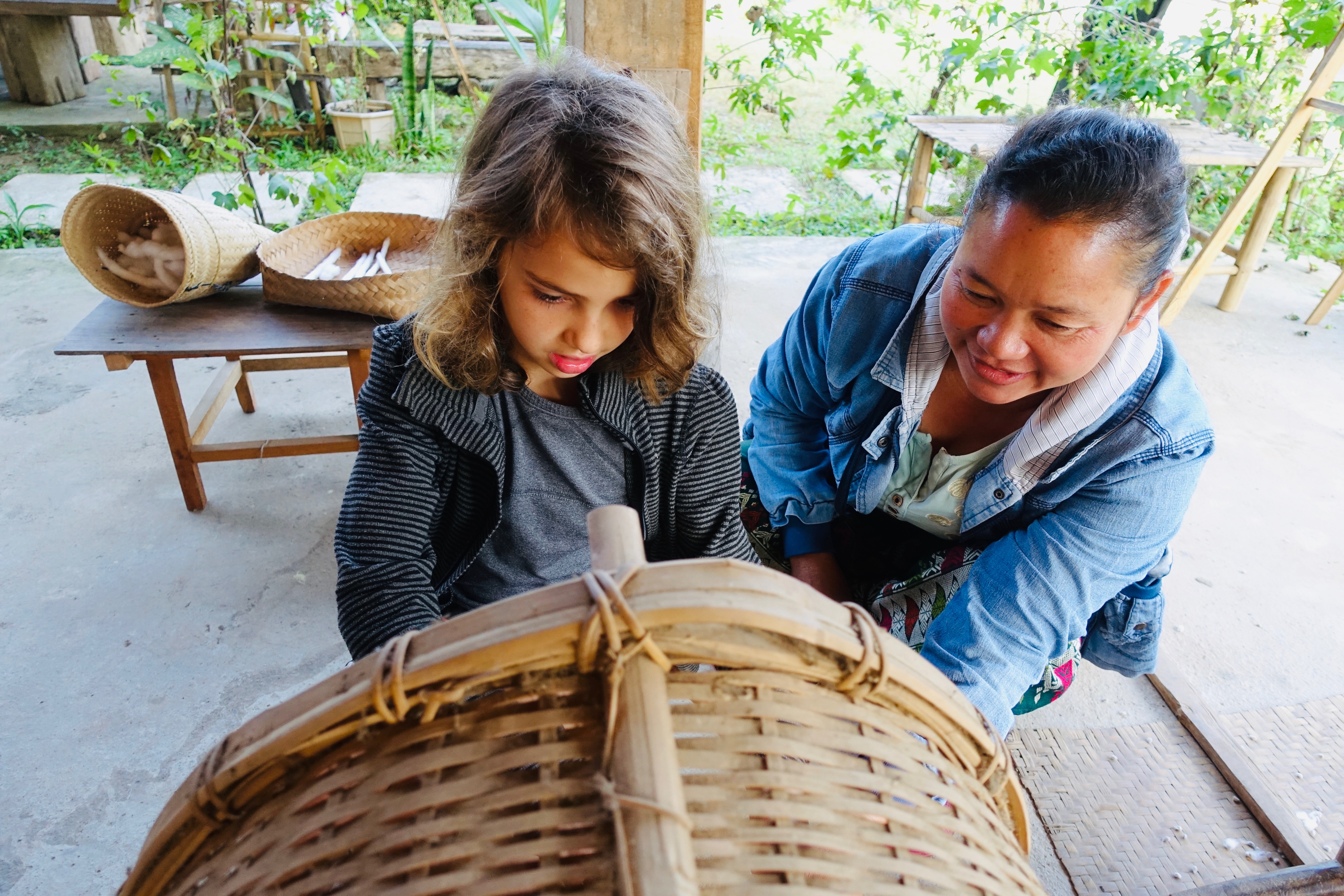
We got up early in the morning and took a “tuk tuk” (taxi) out to a small rural village in the Laos countryside. Once there, the village ladies showed us how to take plain balls of cotton they had picked, and filter them through two pieces of wood to remove all the seeds. After, we put the seedless cotton into a big basket and fluffed it up. We then began the complicated process of turning the cotton into thread, as the ladies glided the cotton black and forth through the air on a spinning axle. They made it look so effortless- but it was so hard for us!
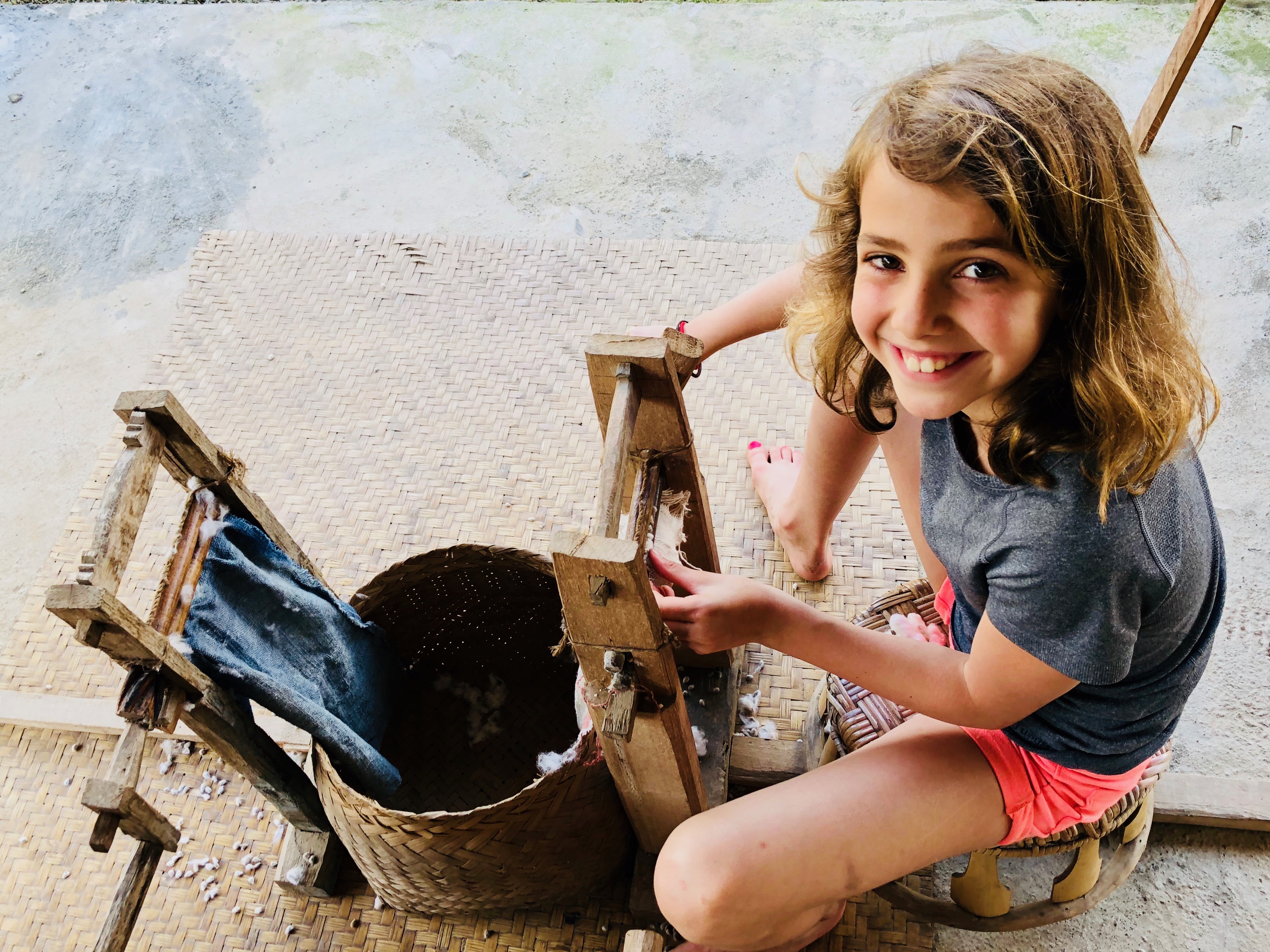
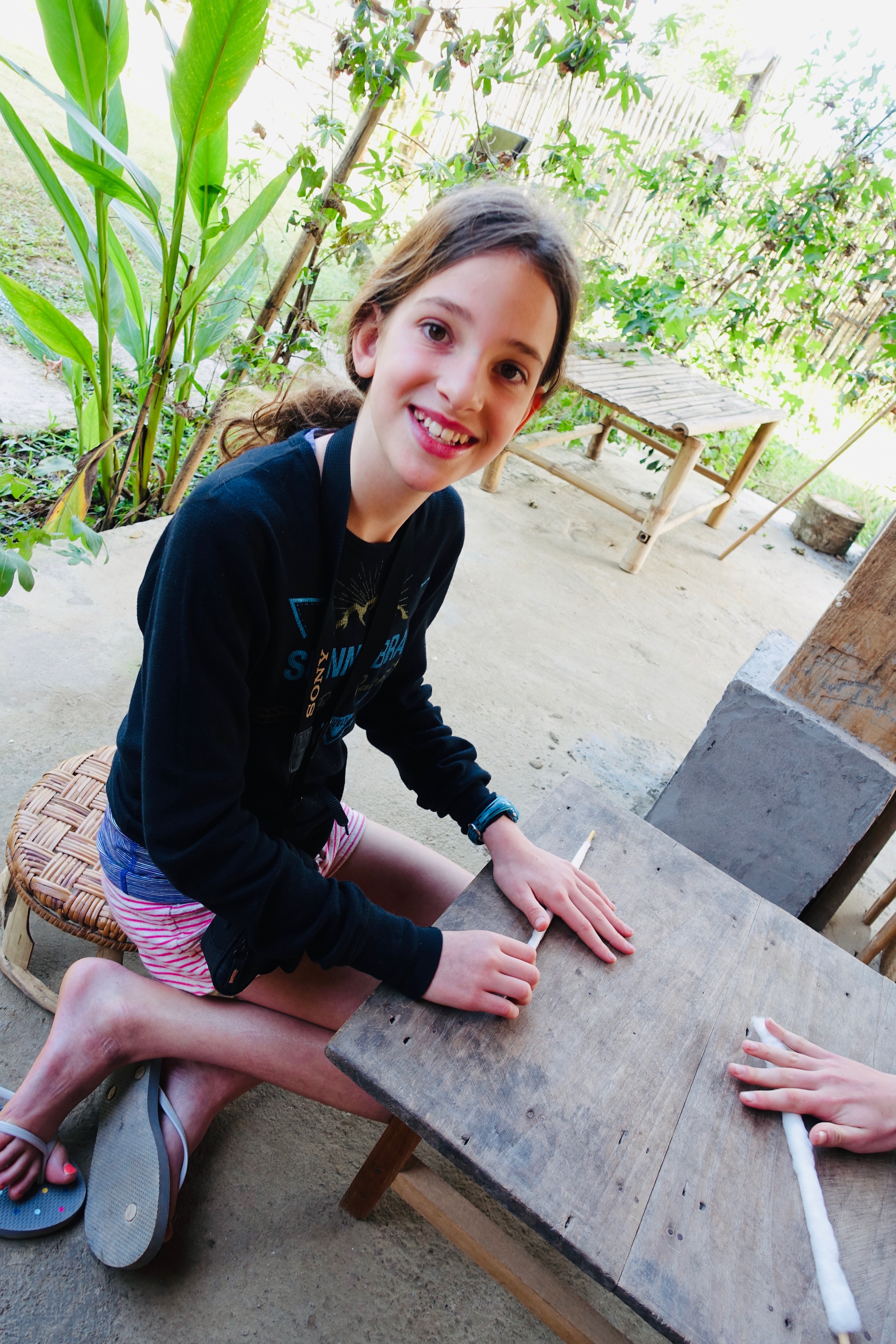
Once the cotton was turned into thread we had to dye it. We learned that they crush limestones and different leaves to make their wide array of vibrant colours. After the thread was dyed you do a number of steps to turn the thread into bobbin, so you can use it on the loom. The ladies showed us how to work the loom- which is complicated and first, but simple and repetitive once you get the hang of it. All three of us worked the loom, tossing the “boat” back and forth., watching our scarves come to life. The ladies loved helping us, especially Lily, who they would giggle at and circle around.
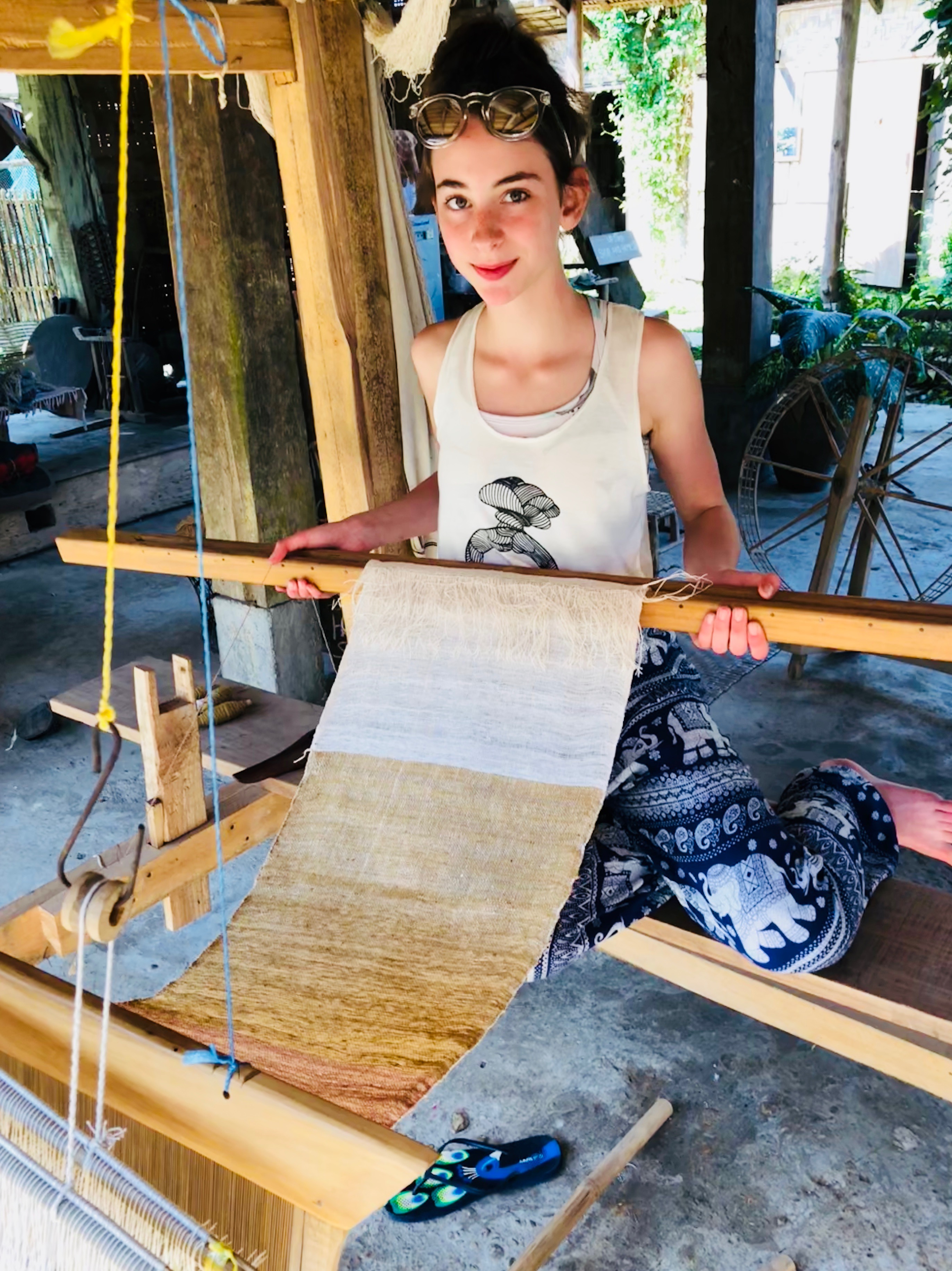
We learned about the lifestyles of the ladies and how hard they work, and we saw the incredibly complex designs and patterns they weave into their cloth. I will never look at a scarf the same again.
When we were done, we had our scarfs to take home with us. We were excited to go see Dad and show him our handiwork.
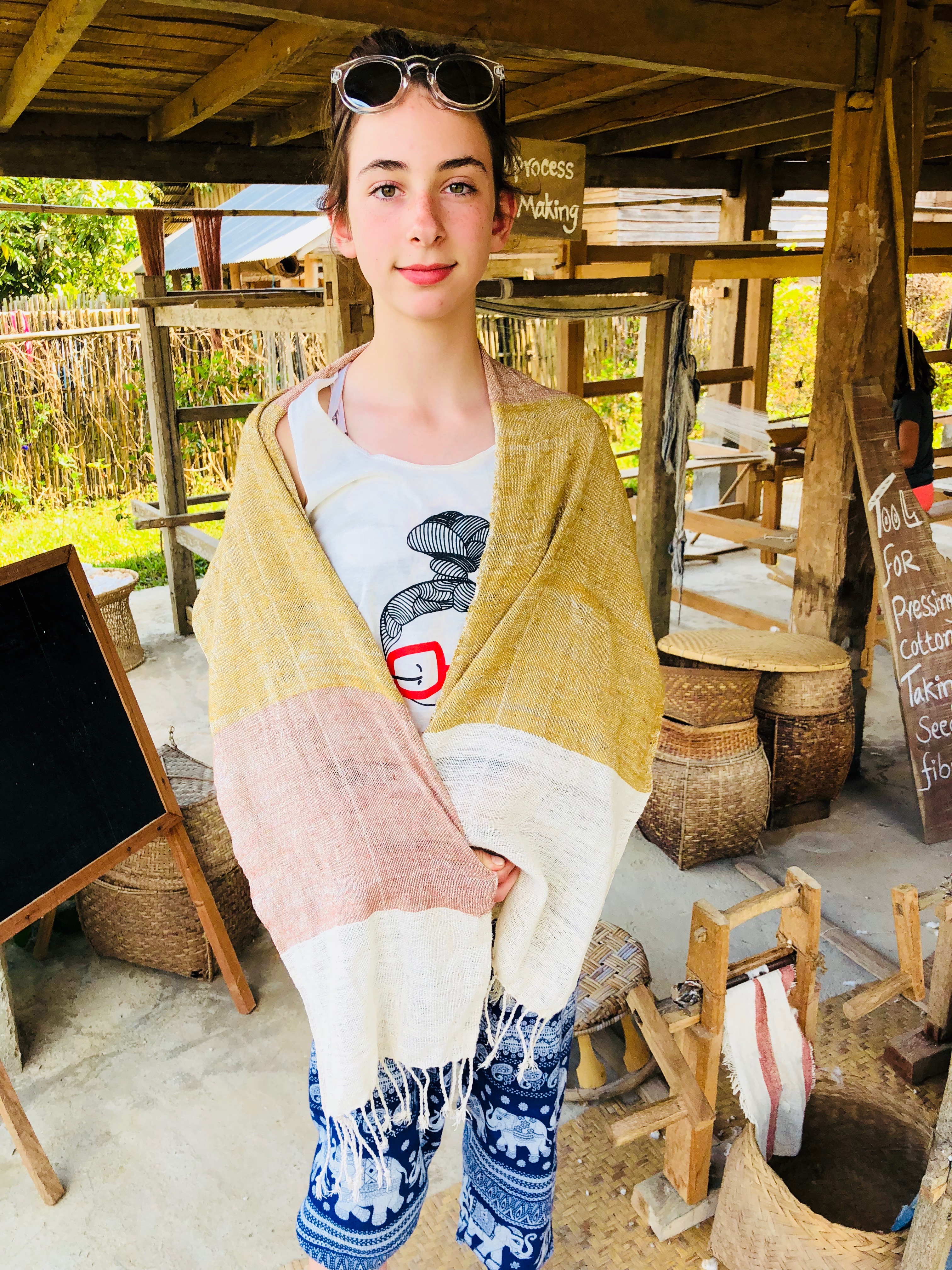
Rachel’s finished product 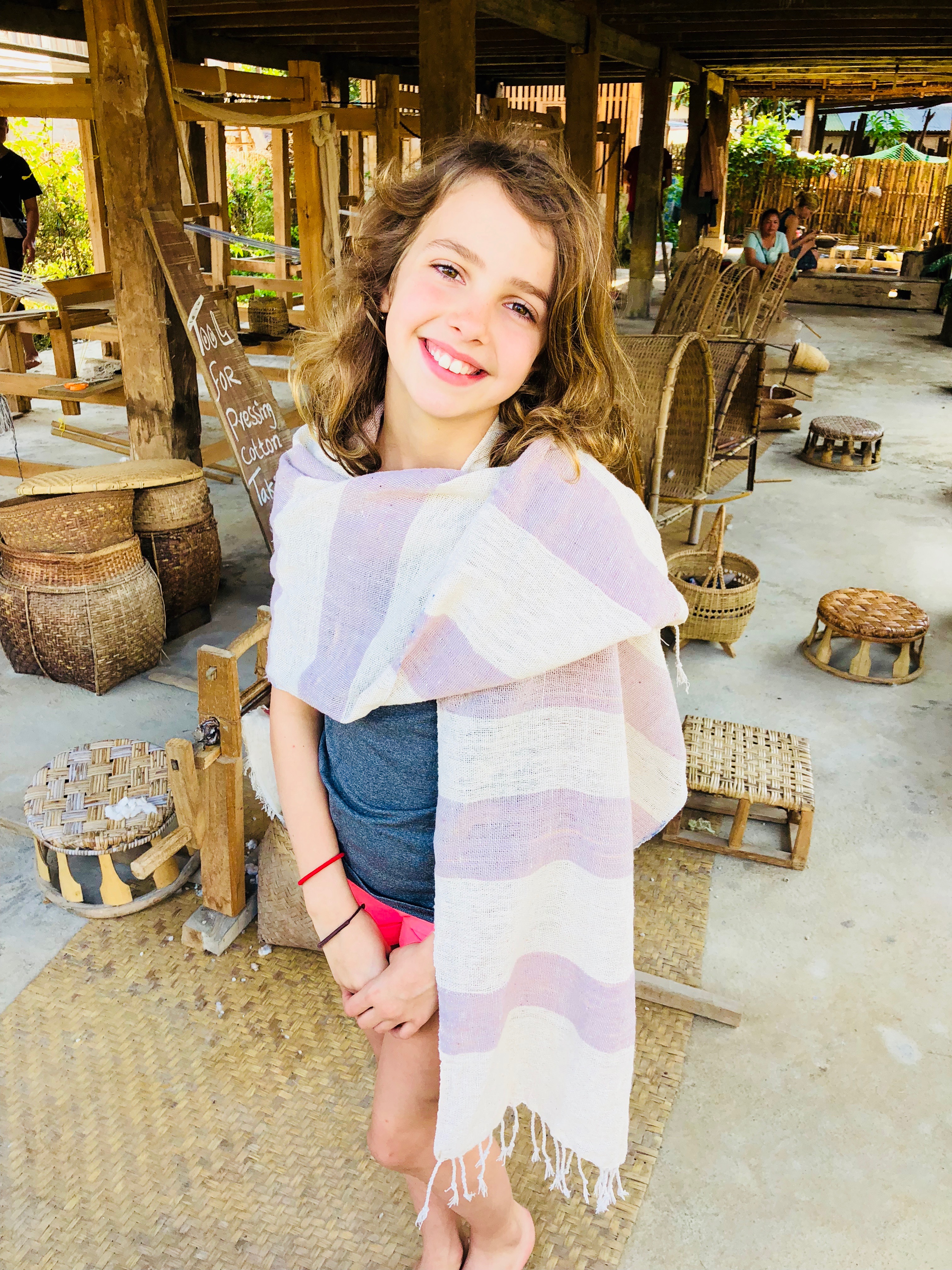
Lily happy with her very own handmade scarf
 Barden Family Adventure